
After almost a year at RMJM, how has this experience shaped the way you read and interpret the built environment?
At RMJM Milan, every project begins with an in-depth site analysis. Topography, local history, and the way light and weather interact with a place are constant sources of inspiration. This approach has led me to rethink my idea of landscape: no longer just a physical backdrop, but a living organism – a sensory experience and a structured system that can even be read mathematically. My research focuses on intuiting relationships in space: between lines and planes, solids and voids, intimacy and openness.
Yet this investigation doesn’t stop at the physical context; it also seeks inspiration in what is less obvious: local traditions, fragments of art, objects typical of the place where the project will unfold. These connections spark ideas that ultimately shape a building and its environment, ensuring designs that respect the contexts they grow from.
After a year at RMJM, I can truly appreciate the power of working in a multidisciplinary environment – one that constantly pushes you past your own limits, refining both creative and technical skills. Working on a wide range of projects, from mixed-use or single-use buildings to complex urban developments, is teaching me to consider not only the aesthetic and functional aspects of a space, but also how people will live it.
Adopting a thoughtful, conscientious approach to architecture – always guided by the pursuit of beauty and by the harmony between technique, aesthetics, and ethics—helps steer the project holistically, placing architecture at the service of people. After all, we must never forget the ultimate purpose of our work: human experience, the user who will live in, interact with, and feel something within what our minds have created.
This perspective allows me to read and interpret the built environment by balancing design, functionality, and human experience – the foundation of every project we develop, including the most recent, the Dushanbe Tower.
Looking back at your recent work trip to Dushanbe for the second workshop about the Dushanbe Tower, how would you describe the feeling of participating in sessions where ideas don’t merely add up, but intertwine until they become something new?
Taking part in the workshop in Dushanbe was an experience that goes far beyond the simple sum of ideas: it felt like witnessing a silent dialogue among thoughts, projects, and intuitions—threads of light weaving into an unexpected, new design. It’s the feeling of contributing not only to the creation of a building destined to become a symbol of the city, but also to the weaving of human and creative encounters that will leave a quiet trace over time – an invisible memory the skyscraper will carry within it as part of its story.
In a project of such complexity, every decision is a knot that requires attention and care; it’s unthinkable to resolve everything alone. Dialogue with skilled consultants becomes essential, like expert hands guiding the threads of a delicate fabric, ensuring that each detail develops in the most appropriate way. The building thus becomes more than form and function: it becomes a testament to collective intelligence, a shared process that turns into concrete poetry within the urban space.
After returning from the workshop, how do you now perceive the space created between people when they collaborate: an empty gap to be filled or a vital fabric of the project?
Coming back from the workshop, I perceive that the space created between people when they collaborate is not an empty gap to be filled, but a living fabric – a pulsing thread that animates the project itself. In the studio, collaboration is already the lifeblood of our days: fertile ground where ideas and unexpected intuitions take root, transforming the project into living architecture.
In a complex work like a skyscraper, every contribution – even the quietest – can become an essential node within this collective organism. Encouraging dialogue is not just about exchanging opinions; it is about weaving together experiences, visions, and sensitivities, building the foundations of an architecture that places people at its core. Every choice, detail, and design gesture finds its deepest meaning in responding to the experience of those who will inhabit the building.
Collaboration becomes an invisible flow, a creative wind running through each line and form, giving life to architecture that pulses alongside the people and the world around it.
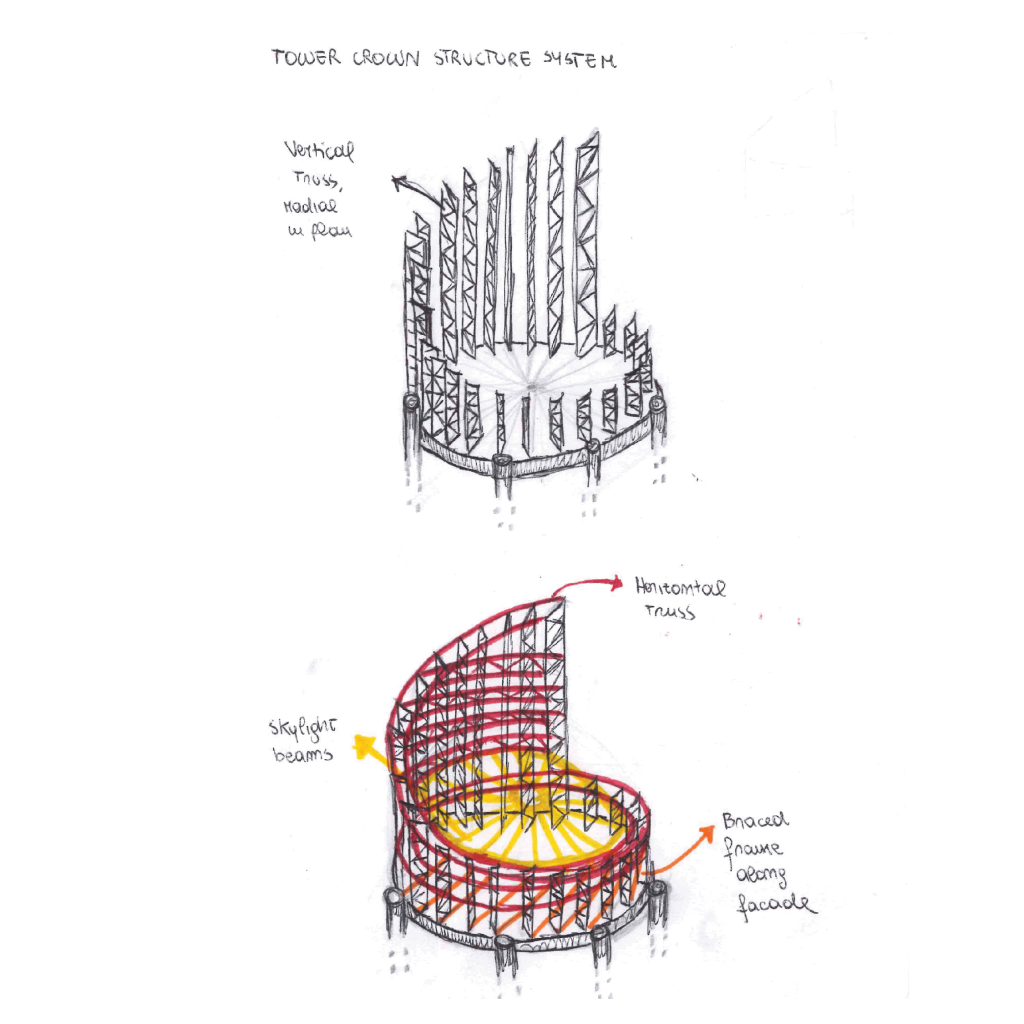
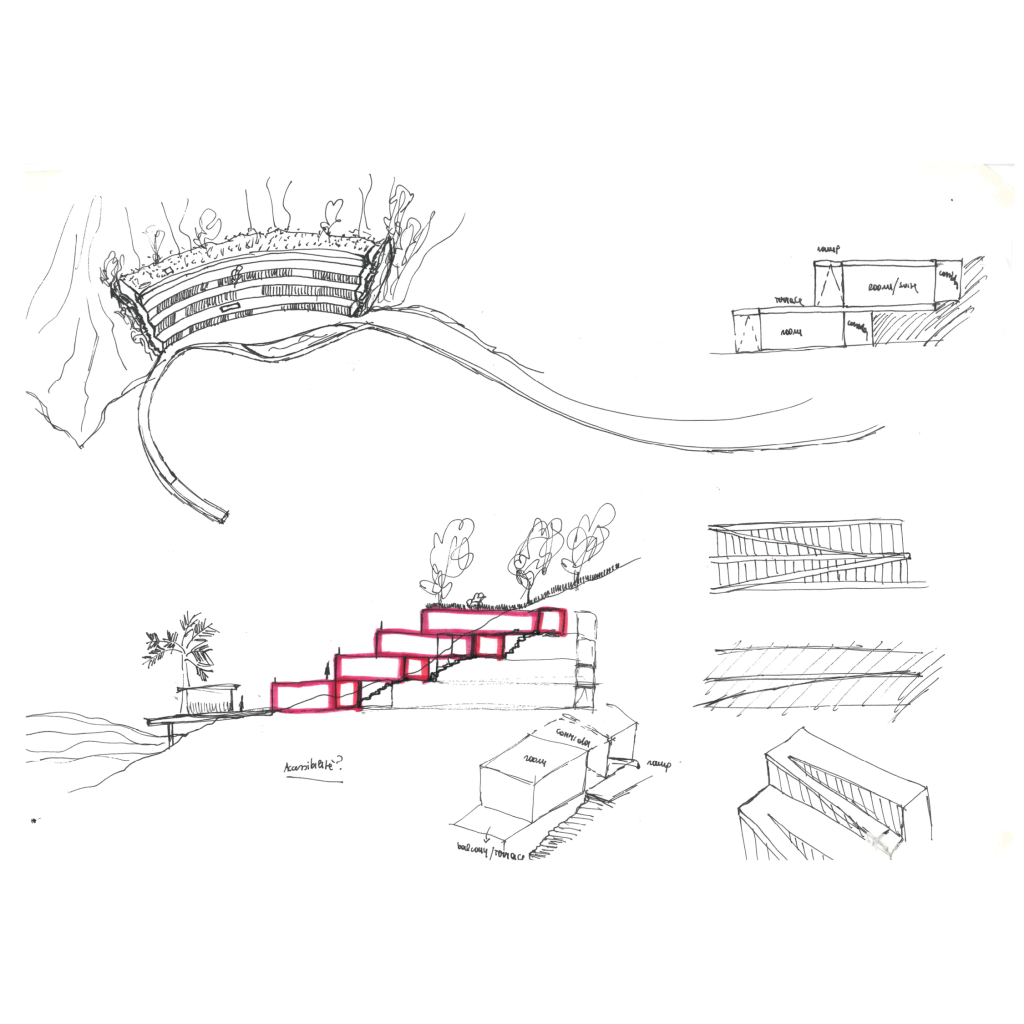
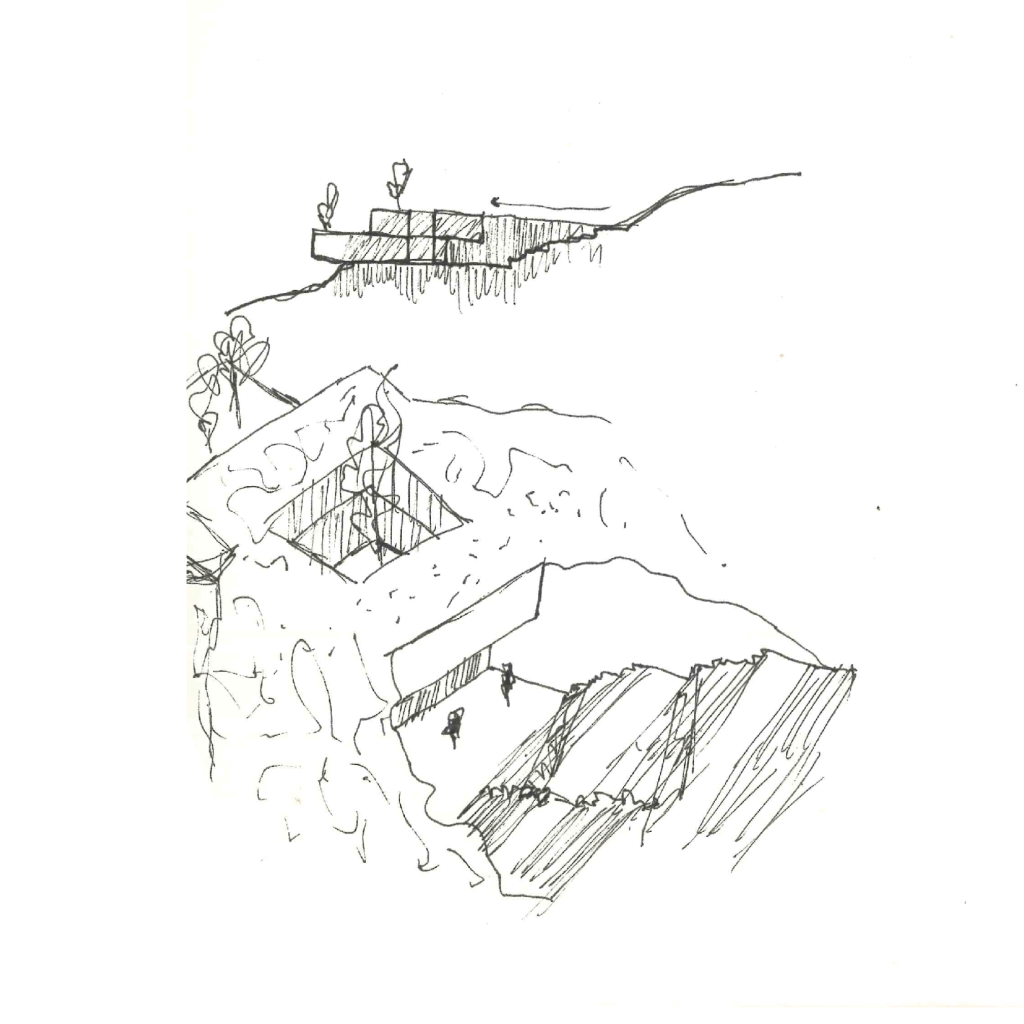
What helps you maintain mental clarity when coordinating concept, function, and feasibility?
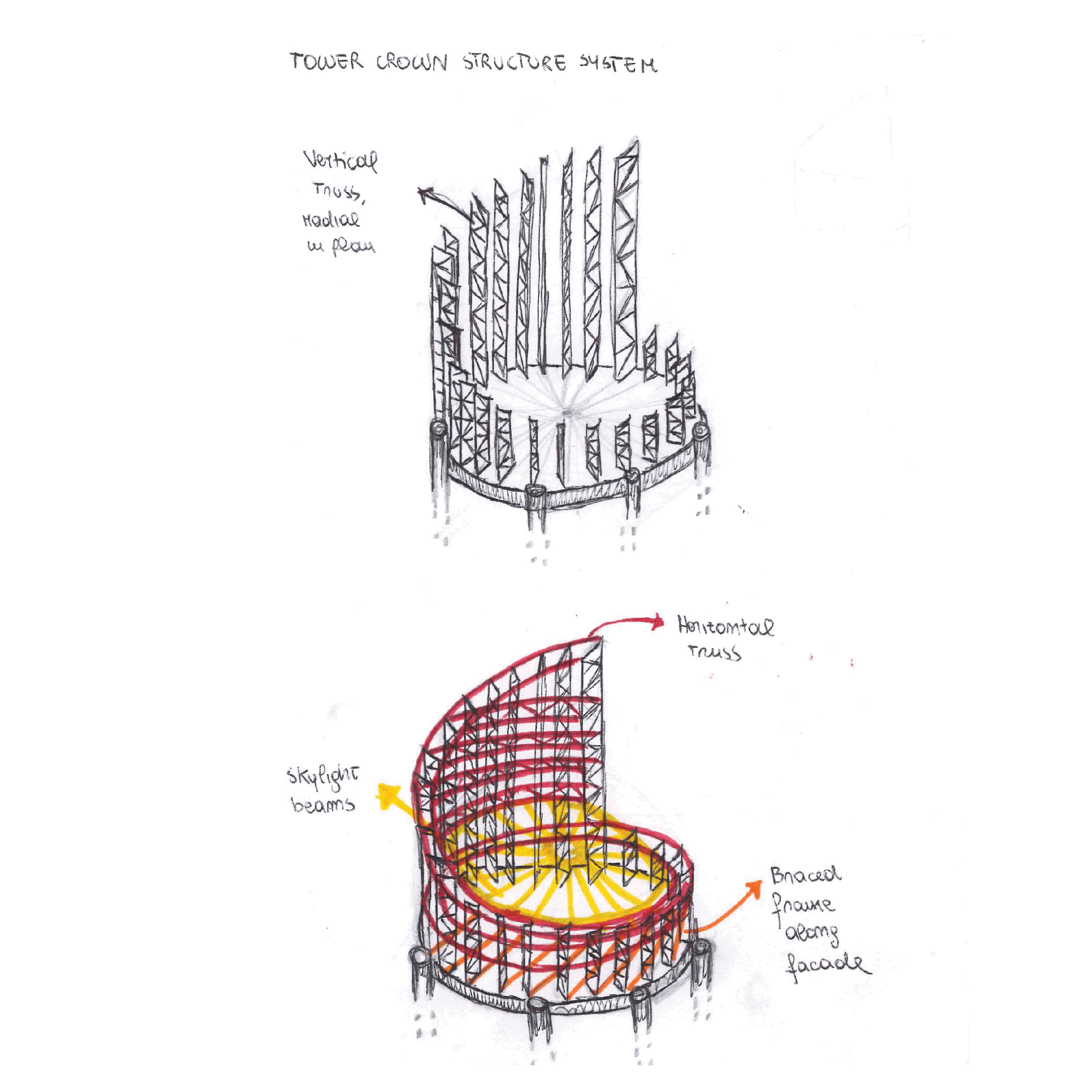
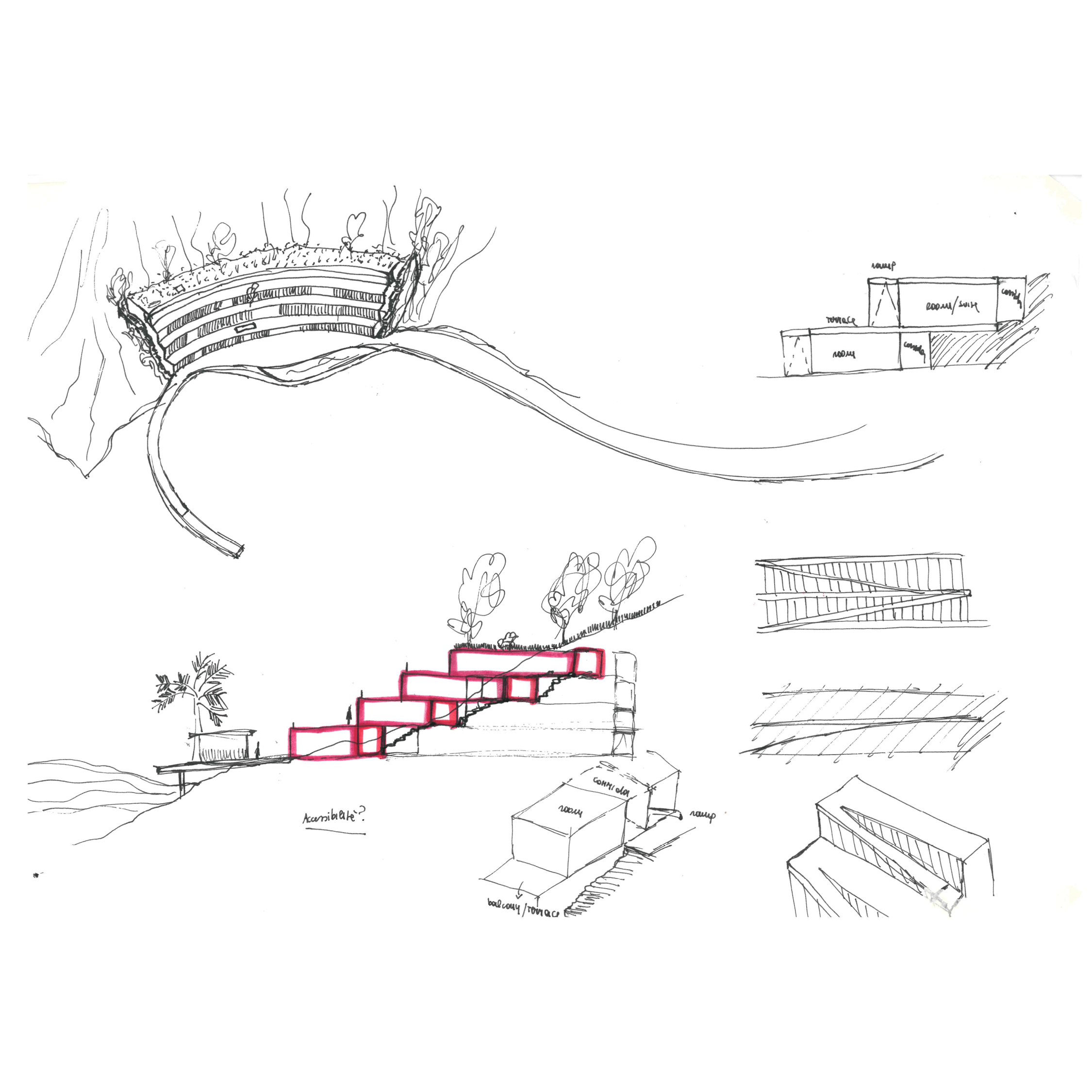
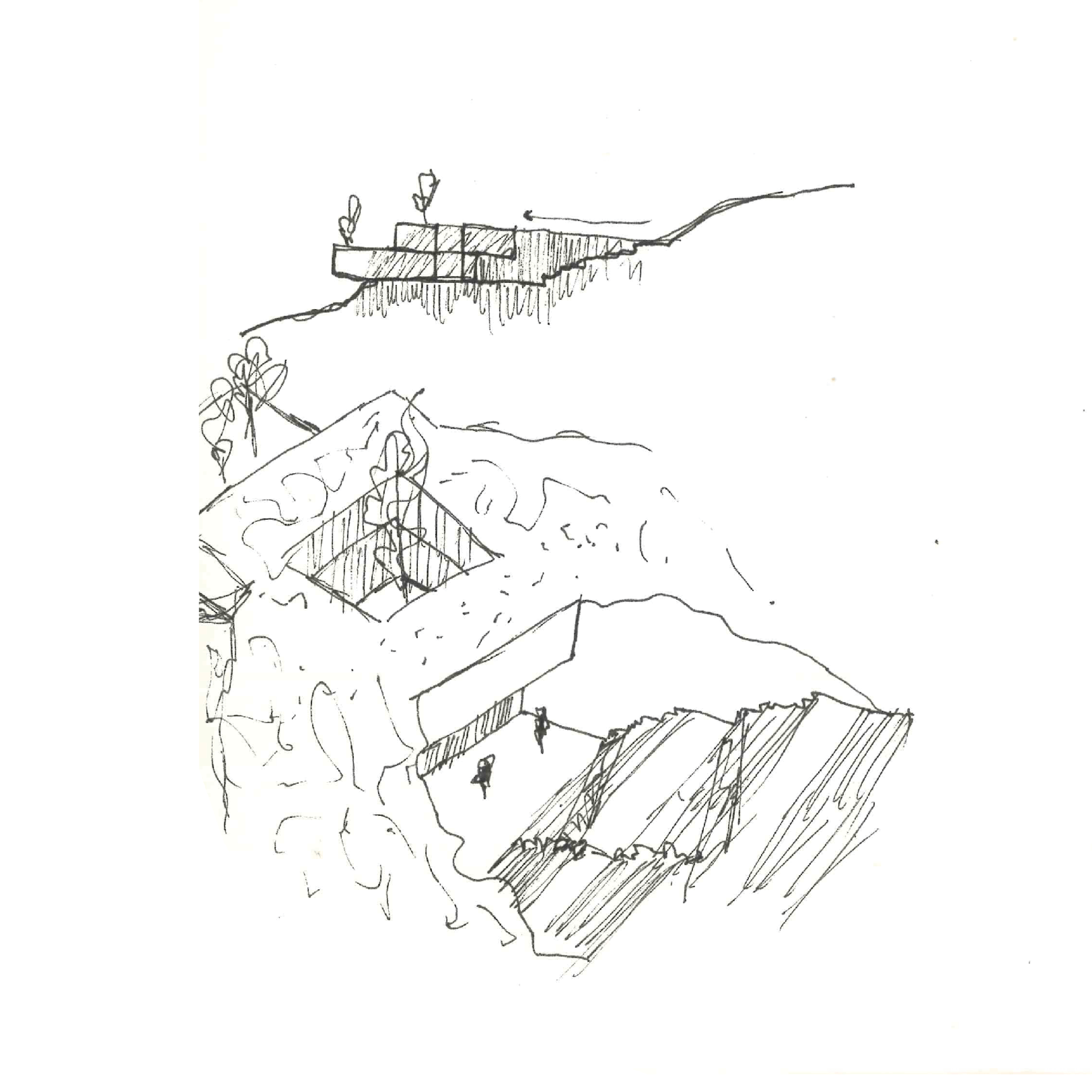
What keeps me clear-minded is the primordial gesture of sketching: the moment when the hand becomes an extension of thought and the page a place of revelation. As a line is drawn, what is still shapeless in the imagination begins to take form. Concept, function, and feasibility stop being separate elements to coordinate – they become forces unfolding before me, as if they had simply been waiting for that first mark to begin their dialogue.
Sketching is an act of listening. The lines do not merely describe a project; they reveal what often escapes the mind when it remains trapped in its own abstract labyrinth. Every stroke becomes a way to question space, to probe its tensions, to embrace complexity without being overwhelmed by it.
In the white space of the page, the mind finds a distance that illuminates. It is a form of active meditation: a balance between intention and surprise, between control and openness to the unexpected. When drawing, I’m not immediately seeking a solution; I’m seeking greater clarity about what the project wants to become.
Mental clarity does not come from the effort of holding concept, function, and feasibility together, but from letting these dimensions reveal themselves naturally – one line after another. The sketch becomes a philosophical act: a way of giving form to thought while thought, in turn, gives form to reality.
How do you balance technical precision with creative expression in your work?
In my work, technical precision and creative expression intertwine along a path shaped by intuition and tacit knowledge. I begin with spontaneous sketches—simple, instinctive responses to the project’s constraints: scale, site, and so on – allowing the idea to emerge freely. Then I set aside that first solution to explore its opposite, and then a third one, like an ongoing dialogue between myself and the project.
Every intuition is tested, challenged, sometimes dismantled, because only by questioning assumptions do new possibilities emerge. In this process, technical rigor and creativity aren’t opposing forces – they feed each other: technique anchors and structures, imagination opens and surprises.
Each choice takes shape consciously, transforming sketches and explorations into coherent, living architecture – capable of responding to concrete constraints while also evoking emotion and insight.
What kind of impact do you hope your work will have on the way people experience a place?
The impact I hope to have on the way people experience a place stems from the belief that architecture exists to serve people, enriching quality of life and nurturing collective well-being. Each project behaves like a living organism: it breathes with those who move through it, welcomes gestures and glances, accompanies footsteps, and invites the discovery of unexpected paths and corners – transforming the everyday into experience and wonder.
Spaces leave traces in memory, subtle echoes of lived moments, shared encounters, emotions shaped by light, materials, and proportions. Architecture becomes a silent interlocutor, a companion that guides, surprises, and enhances human experience. Every design choice is meant to harmonize function, aesthetics, and well-being, turning space into tangible memory – a place of relationship and shared experience where people remain at the center and the building pulses with the life that inhabits it.