
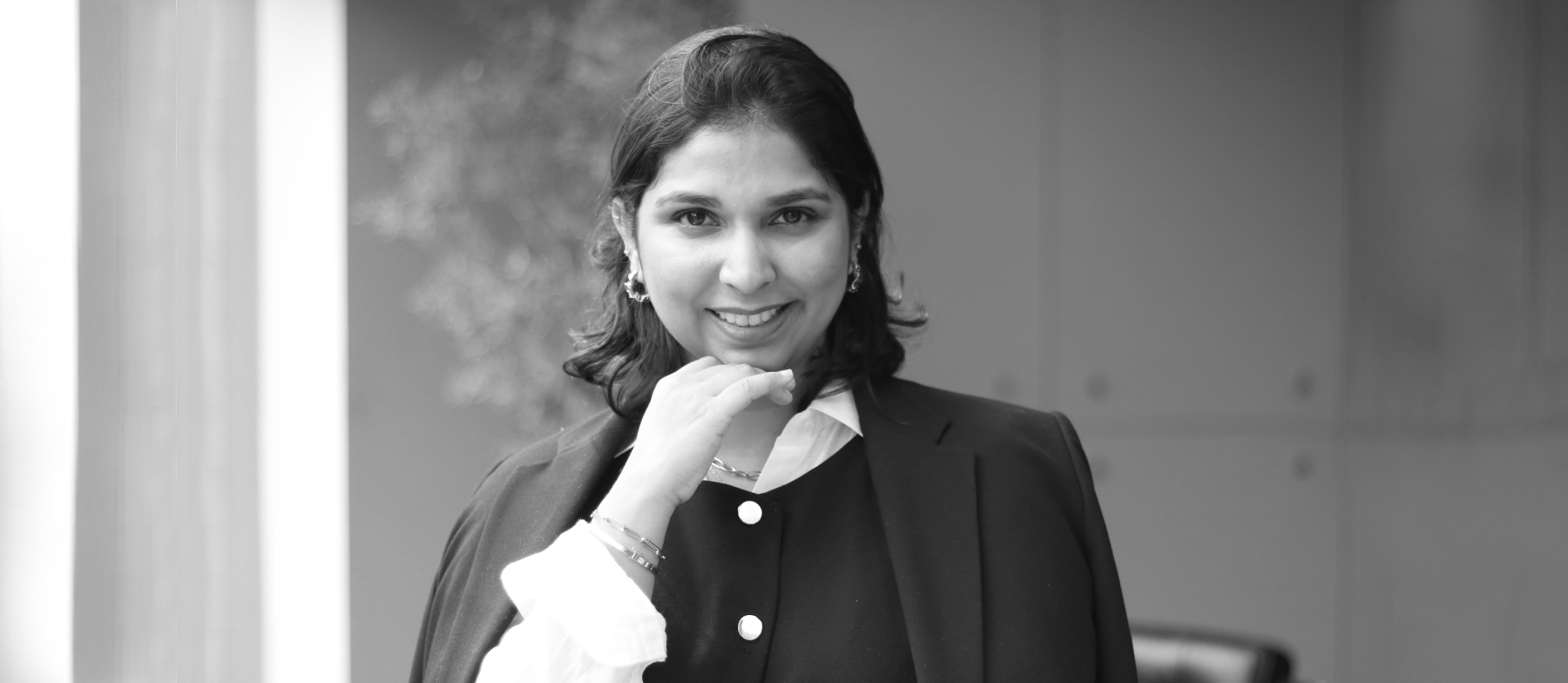

Could you share your journey into interior design and what led you to your current role at RMJM?
Over the past decade, I have progressed through various roles across the UAE, starting as an architectural intern and evolving into leading end-to-end delivery for flagship commercial, hospitality and retail projects.
Early in my career, while working across both architectural and interior-focused practices, I developed a growing interest in how interiors shape human experience at a more immediate and personal scale. My background is in architecture—that’s where I learned to think critically about space, structure and planning—but over time, I realized my true passion lay in the finer details.
I’ve always seen design as a dialogue between the structure and the person standing inside it. I wanted to explore how a space feels at an immediate, personal level, which led me to specialize in interiors. My move to RMJM felt like a natural progression – bringing together my architectural foundation, interior expertise, and personal design language within a global firm that aligns strongly with my values and ambitions.
How has working at RMJM shaped your approach to interior design?
Working at a global firm like RMJM has significantly expanded my perspective on the integration of architecture and interior design. The biggest shift for me has been moving away from seeing interiors as a separate layer. Here, we don’t treat a room as a ‘fit-out’ – we treat it as the soul of the building.
Being part of such a diverse, international environment has taught me to design with an architectural rigor; ensuring that the interior narrative is baked into the building’s identity from day one. My approach has evolved to become far more holistic; I’ve learned to weave together spatial, cultural, and functional threads into a single story.
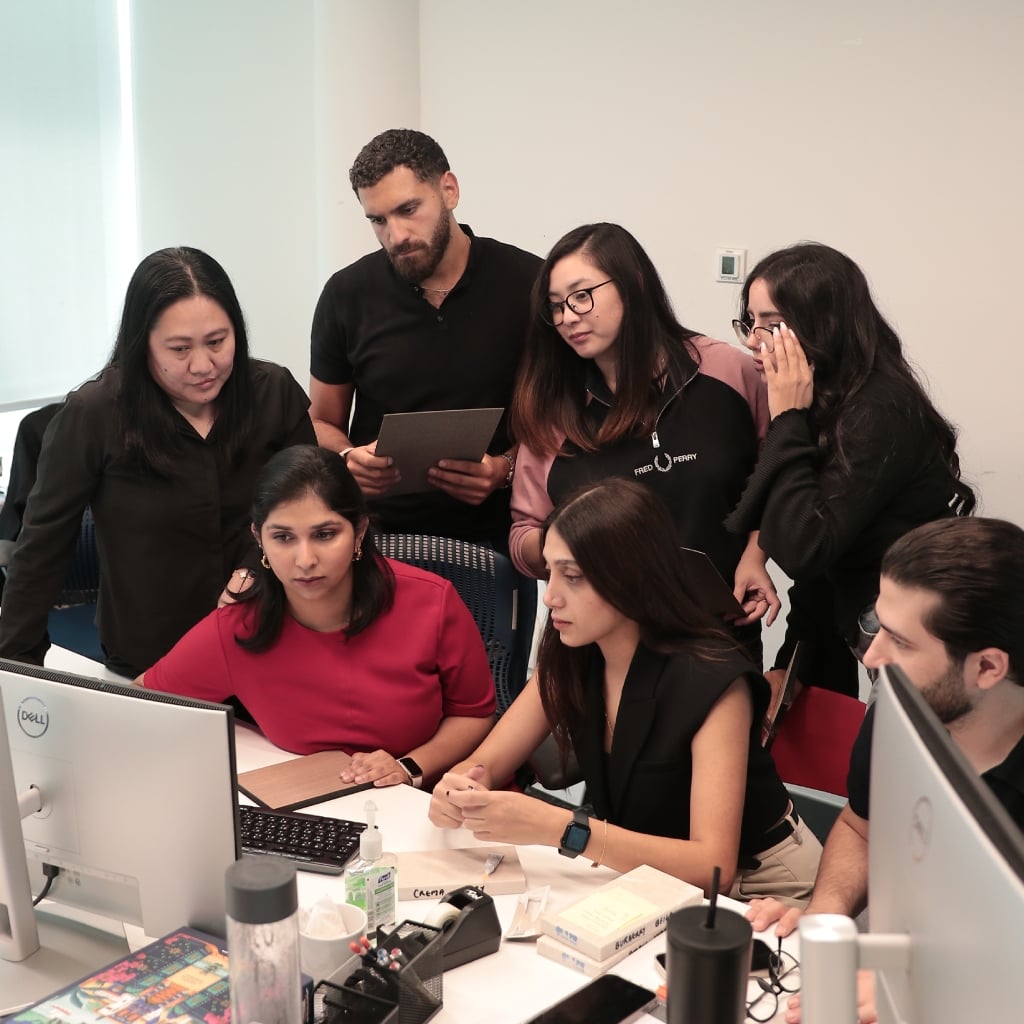
Collaboration across global teams has also taught me that the best designs are those that stay true to their original intent – the “why” behind the project.
How do you integrate cultural elements into your designs, especially in diverse regions like the Middle East?
The Middle East – and Dubai in particular – is a fascinating blend of cultures that together form a unique and evolving identity. Designing here requires both sensitivity and forward thinking. For me, incorporating heritage goes beyond adding motifs or traditional patterns. It’s about understanding cultural values, social behaviours and how people naturally interact with space. At the same time, every project must feel future-proof — both aesthetically and functionally. One of RMJM’s greatest strengths is its diversity. Our team spans continents, from Scotland to Japan, and that range of perspectives allows us to create interiors that feel globally informed while remaining culturally grounded and respectful.
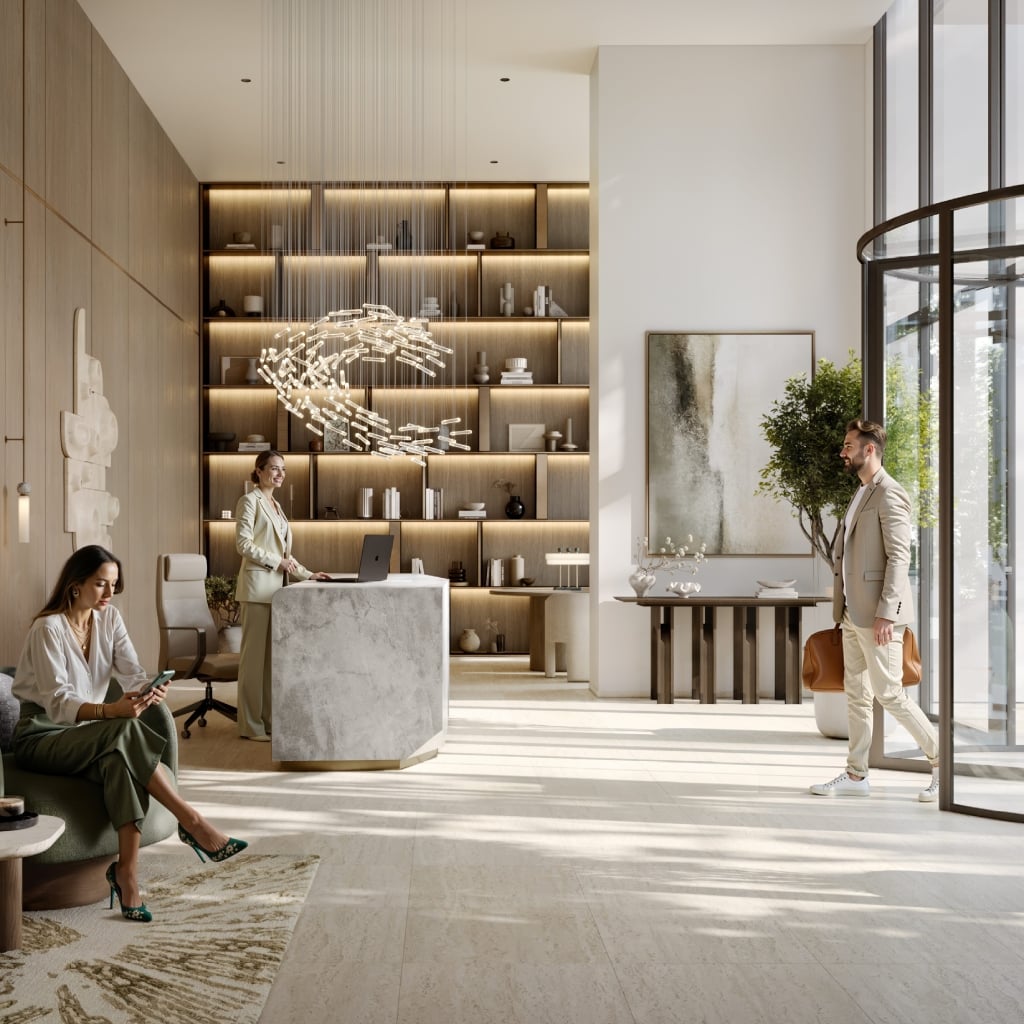
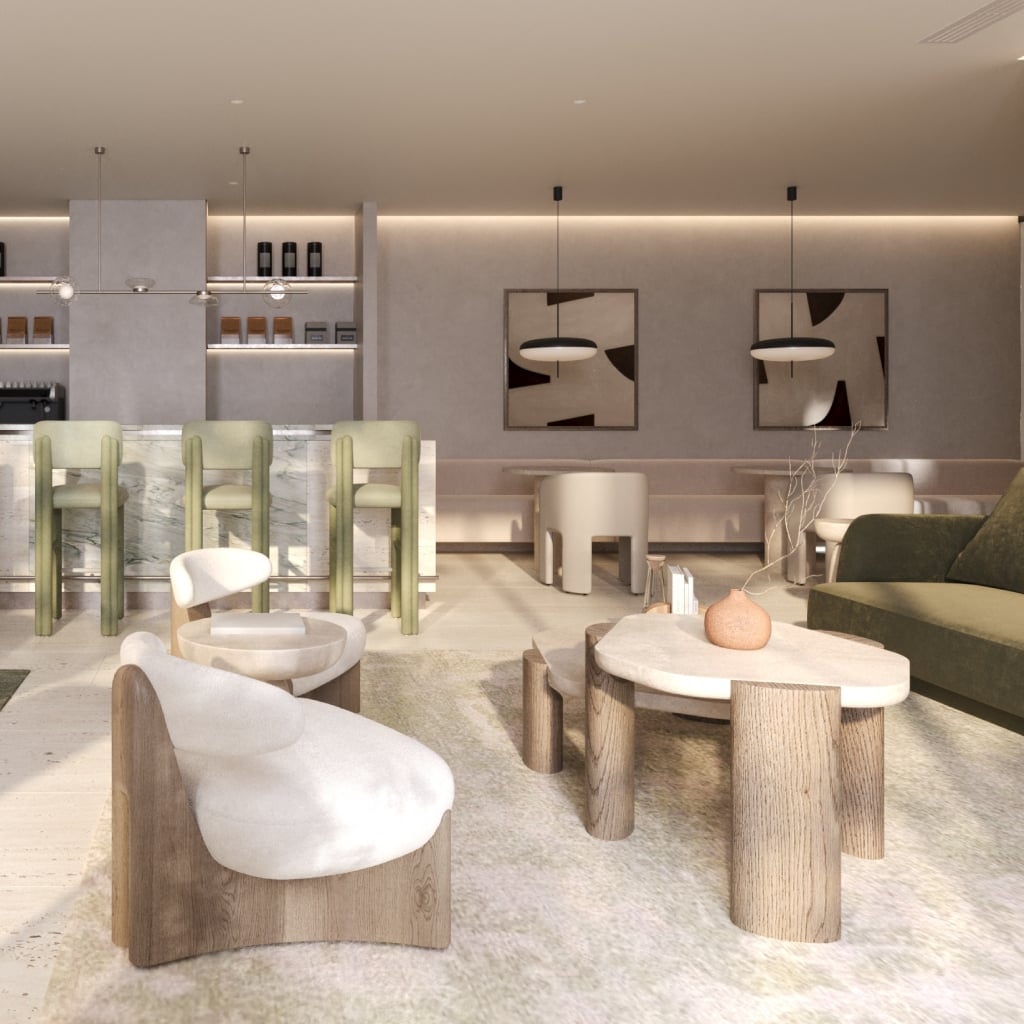
What impact do you hope your work will have on the spaces you design and the people who use them?
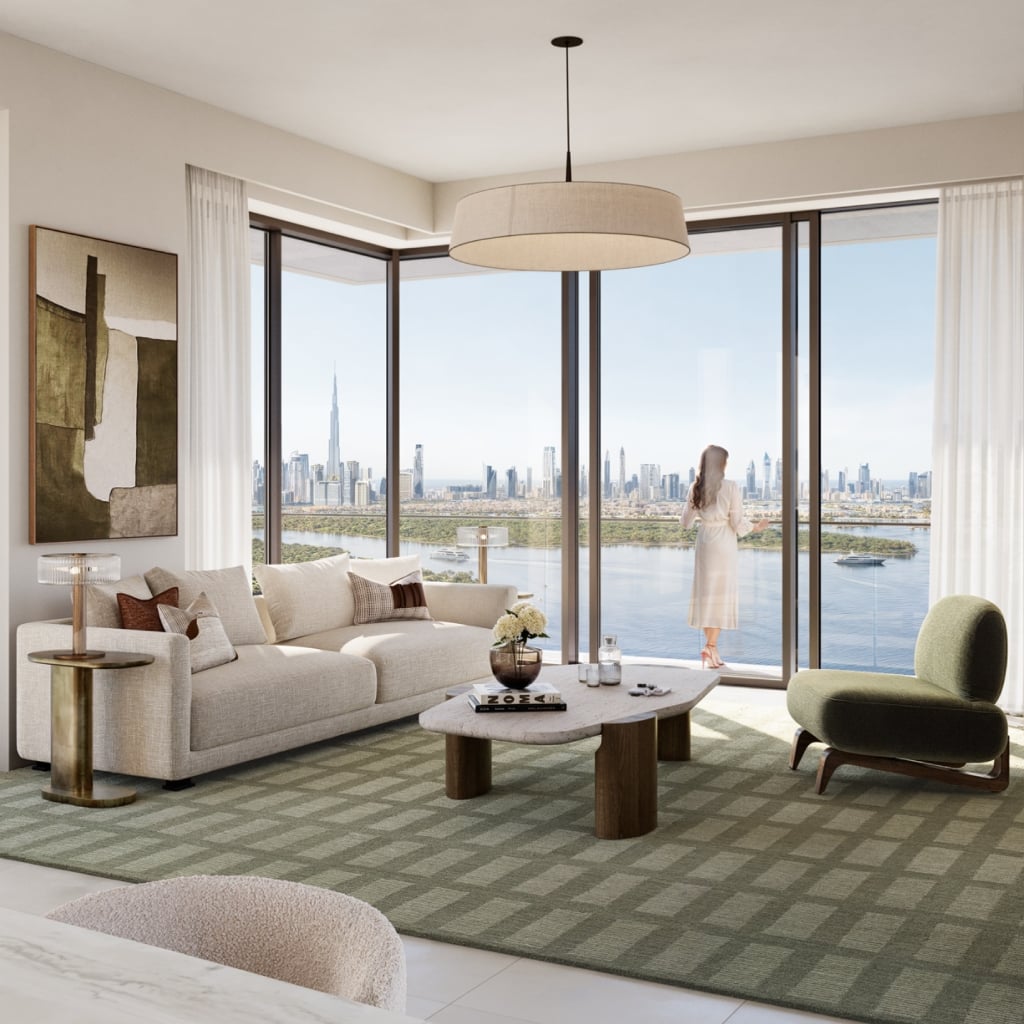
I hope the spaces I design stay true to their original vision while creating a genuine emotional connection.
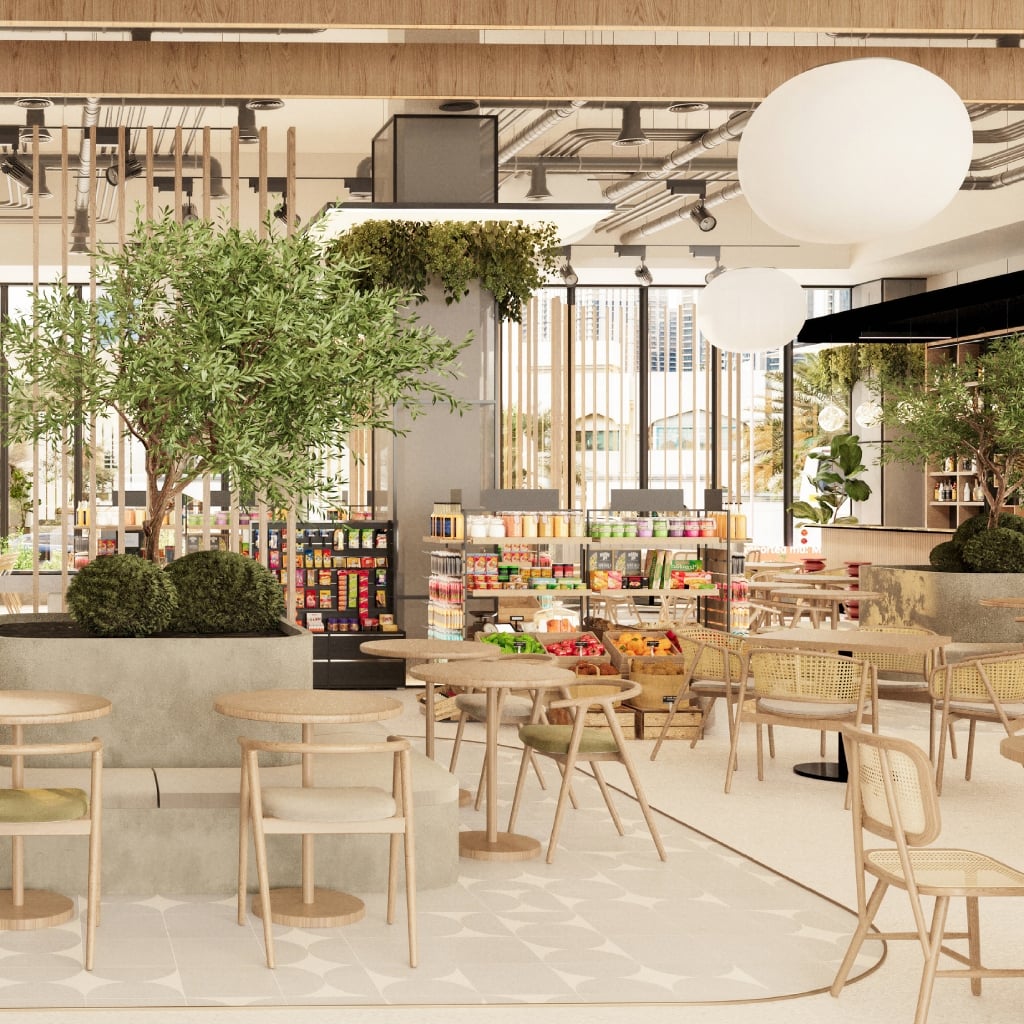
Whether it’s an office development that makes a Monday morning feel a little brighter or a retail destination that tells a compelling story, I want people to walk away feeling a sense of ease. If a design can subtly improve someone’s mood or productivity without them even realizing why, then I’ve done my job well.
For me, successful spaces feel intuitive and timeless. I don’t just look at materials — I think about how people move, gather, and exist within them. If a space enhances daily experience, feels comfortable and inspiring, and stands the test of time both functionally and aesthetically, then it has achieved its purpose. If a workplace energizes a team or a brand environment sparks curiosity and wonder, that’s when design truly succeeds.
Where do you see the field of interior design heading in the next decade?
The next decade will place even greater emphasis on wellness and biophilic design. Spaces will be expected to actively support the mental and physical health of their occupants, not just accommodate them.
Sustainability will no longer be an added feature; it will be a baseline requirement. We’ll see increased focus on smart materials, adaptive reuse, and more responsible design decisions overall.
We’re also entering an era of “high-tech, high-touch.” AI and advanced tools are transforming how we test ideas, optimize performance, and visualize outcomes. At RMJM, we’re already leveraging these technologies to enhance efficiency and reduce guesswork – from optimizing energy flow to simulating how natural light moves through a space – allowing us to test a thousand ideas in the time it once took to sketch one.
As technology becomes more powerful, the designer’s role becomes even more human. With processes streamlined, we’re free to focus on creativity, emotion, and storytelling — the elements that technology can never replace.
How has technology influenced your design process and outcomes?
Technology has become more than a tool — it’s a strategic advantage. It bridges imagination and execution.
Through BIM, real-time coordination platforms, and advanced visualization, we can resolve complexity long before reaching site. We collaborate across disciplines and geographies with precision, clarity, and speed. Clients don’t just review drawings — they experience their future spaces before construction even begins.
It allows us to eliminate uncertainty, reduce risk, and elevate quality. We can solve a building digitally before a single material is installed.
But the real power of technology is what it gives back to us: time and confidence. Time to refine the narrative. Confidence to push creative boundaries. Technology doesn’t replace intuition — it amplifies it. And when paired with strong design vision, it transforms great ideas into exceptional built reality.